
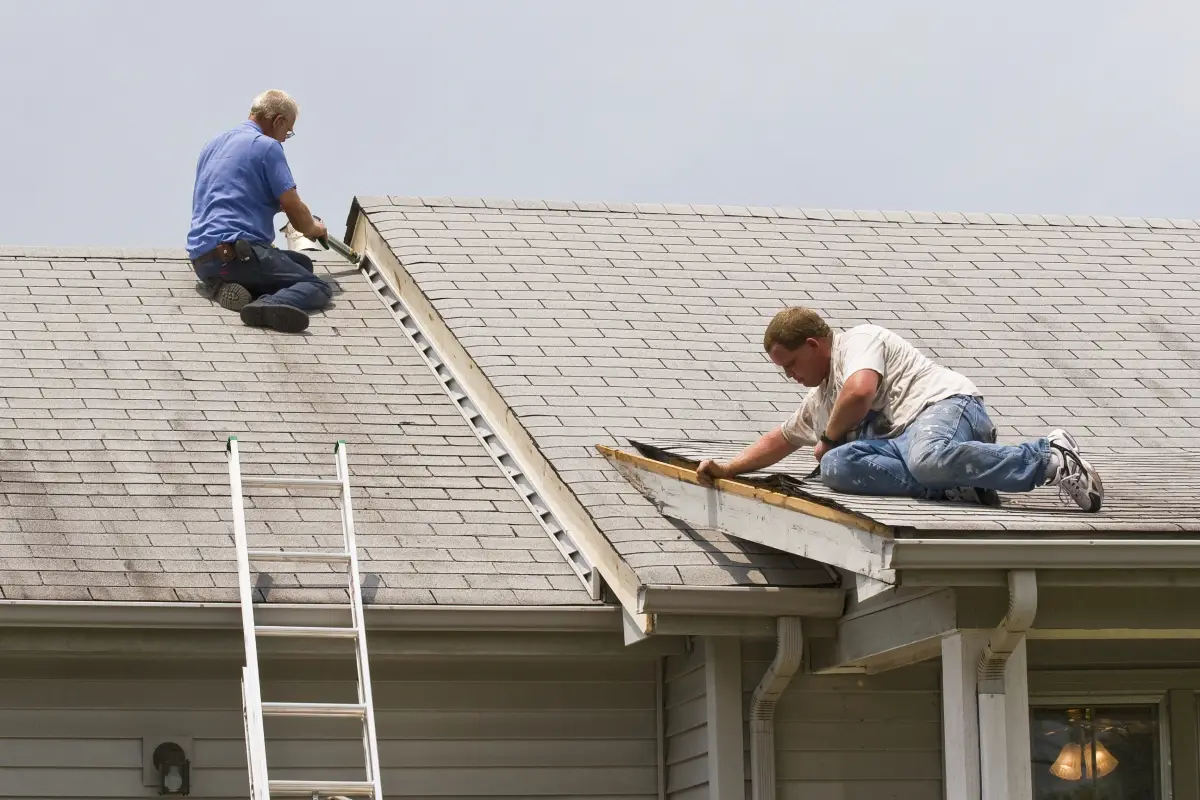
Chicago landlords juggling older buildings know the drill: a repair gets handled, and a few months later, a similar one crops up somewhere nearby. Building a system for 5 maintenance coordination tips helps catch these repeats early, but many owners still treat each call as its own isolated event.
That habit can cost you. When the same system keeps breaking, it's rarely random. It's usually a sign that something bigger is wearing out underneath the surface, and ignoring that pattern tends to get expensive fast.
Key Takeaways
- A repair that repeats within months usually points to a system nearing the end of its life.
- Chicago's older housing stock makes this pattern especially common.
- Reviewing repair history over time reveals trends a single work order can't show.
- Catching these signs early keeps costs down and tenants happier.
- Planning replacements ahead of failure is almost always cheaper than reacting to one.
The Real Story Behind a Repeat Repair
One fixed pipe or one patched roof section rarely solves the whole problem. If a similar issue shows up again close by, the material around the original repair is likely just as worn.
This is common in cities with older housing. The U.S. Census Bureau reports the median owner-occupied home nationally is now 41 years old, and Chicago's rental stock includes plenty of properties well past that mark, with plumbing and electrical systems that were never designed to last forever.
Watch closely for repeat issues in these areas:
- Plumbing lines and water heaters
- HVAC systems, especially before seasonal shifts
- Roofing and flashing
- Windows and exterior seals
A cluster of repairs in any one of these areas is a strong signal worth acting on.
What's Happening Behind the Walls
Most deterioration starts long before it becomes visible. A stain on the ceiling, a faucet that won't stop dripping, a breaker that trips again, these often trace back to the same root cause, even when they look unrelated.
Plumbing That Keeps Failing
Corrosion spreads through old pipe runs gradually. Fixing one leak rarely addresses the sections nearby that are just as deteriorated, which is why another leak tends to follow.
Roofs That Won't Stay Fixed
Worn flashing and underlayment don't recover from a single patch. If the surrounding materials are already breaking down, a new leak point is only a matter of time.
HVAC Units on Repeat
Frequent service calls for the same unit often mean a compressor or motor is failing, not that the unit needs another quick adjustment.
Owners who want to avoid the contractor trap by working with a steady, trusted vendor network tend to spot these patterns faster, since the same crew is often the one noticing the repeat calls in the first place.
Knowing When to Stop Patching and Start Replacing
Small repairs make sense while a system is fundamentally sound. But at some point, continuing to patch things costs more than simply replacing what's failing.
A few signs suggest that the point has arrived:
- The same contractor keeps returning for a similar issue.
- Costs are climbing even though each individual repair seems minor.
- After-hours emergency calls are becoming routine.
- Related damage keeps showing up nearby, like warped flooring or water stains.
The scale of this challenge isn't limited to any one city. The Joint Center for Housing Studies at Harvard University found that homeowners spent $503 billion in 2024 on remodeling and repairs, underscoring how much upkeep aging housing stock demands nationwide.
Turning Maintenance Records Into a Real Plan
Every repair logged on your property is useful data. Reviewed together, that history shows patterns that a single work order never will.
Look for trends such as:
- Leaks returning to the same general area
- HVAC repairs clustering right before Chicago's harsh winters
- Appliance issues happening closer together over time
- Roof repairs following major storms
That kind of tracking also supports better budgeting. A free rental analysis gives owners an outside look at how their property is holding up and where attention is most needed.
Prioritizing What Gets Fixed First
Not every aging system needs immediate replacement, and prioritizing well saves both money and tenant goodwill. Bringing in professional project management helps coordinate contractors, schedules, and budgets when it's time for a larger capital improvement.
When ranking what to address first, weigh:
- How close a system is to its typical service life
- Whether ongoing repairs already cost more than replacement would
- How the issue affects tenant comfort day to day
- Whether you have time to plan the work or are facing an emergency
Owners who stay informed through the resources built for owners tend to make these calls with far more confidence, since they understand what's typical for a property of a given age and condition.
FAQs about Aging Property Features in Chicago, IL
Why does my Chicago rental seem to need the same type of repair over and over?
Older systems degrade gradually across their full length or surface, not just at one point. Fixing one section rarely addresses the rest of the aging material, which is why similar repairs tend to resurface nearby within months.
Is it worth replacing a system before it completely breaks down?
Often, yes. Planned replacement on your own timeline usually costs less than an emergency repair, causes far less disruption for your tenants, and gives you room to budget properly instead of scrambling for funds.
How can I tell if a repair pattern is serious?
If the same type of issue shows up more than once within a year, even in a slightly different location, it's typically a sign the underlying system is wearing out rather than experiencing an isolated, one-time failure.
Do recurring repairs affect tenant satisfaction?
They can. Frequent maintenance visits, even small ones, can leave tenants feeling the property isn't well cared for, which may influence lease renewal decisions and how they talk about your property to others.
Where should I start if I suspect a bigger issue?
Begin by pulling your last few years of maintenance records and looking for repeated patterns across systems. That history, paired with typical system lifespans, makes planning ahead far easier than reacting to emergencies later.
Staying Ahead of the Next Repair Call
A repeat repair is rarely bad luck. It's usually information about a system that's reaching the end of its useful life, and reading that information early can save you real money. PMI Cook County helps Chicago owners track these patterns, coordinate dependable vendors, and plan replacements before small issues become expensive emergencies.
If you want to stop chasing the same repair twice, explore our maintenance services and let PMI Cook County help you build a stronger plan before the next call comes in.
